


October 01, 2025
New to surfing and wondering if Barbados is a good place to learn? It is.
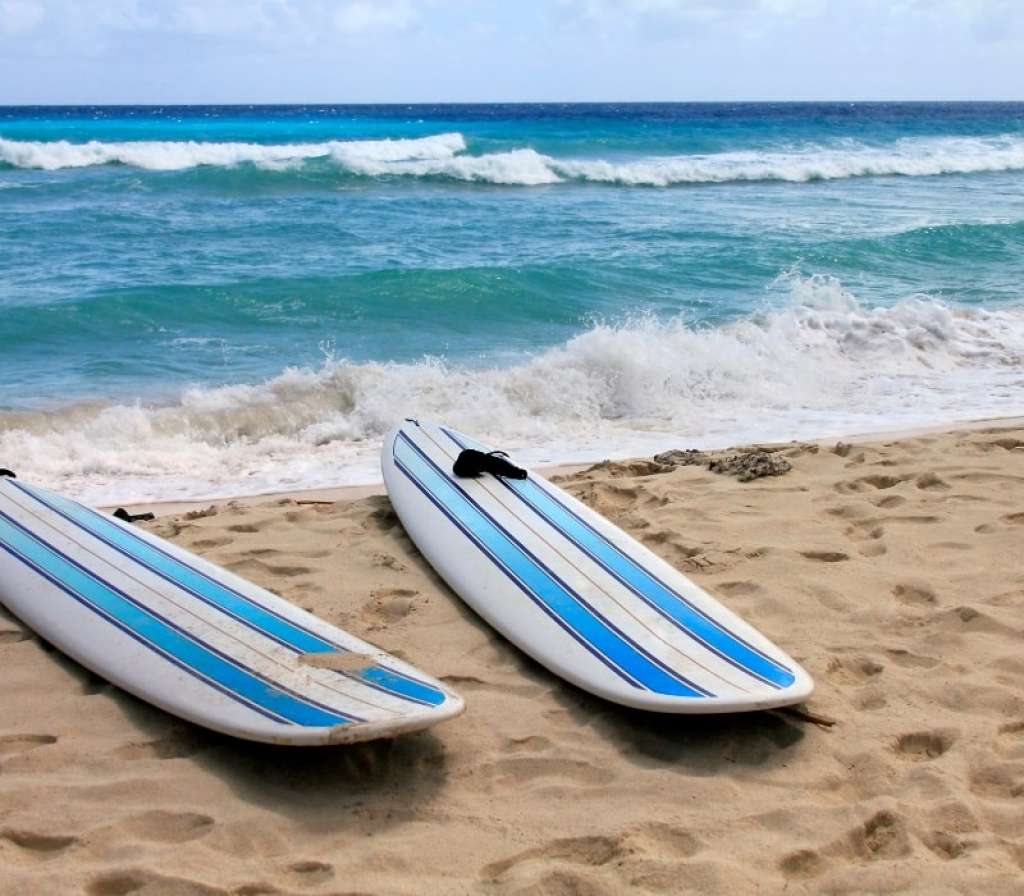
Warm water all year, friendly beach breaks, and steady trade winds help beginners progress fast. On the south coast around Freights Bay, which is one of the best places to surf on the island, waves arrive in neat, mellow lines that suit first timers and rusty returners. We keep groups small, match the tide and wind to your level, and choose spots with clear channels so you can paddle out without a slog. You’ll get a simple plan, clear coaching, and lots of time on your feet. If you bring an open mind and a smile, we’ll bring the boards and the know-how. Book a lesson, turn up in swimwear, and we’ll take it from there. It's great to learn to surf in Barbados.
What to expect from your first lesson
Beach briefing, conditions check, safety zones
We start on the sand. You’ll meet your coach, look at the waves together, and learn where we surf and where we don’t. We map the safe area, show you the channel for paddling out, and mark the shallow reef to avoid. Wind, tide, and crowd size get a quick read so you know why we’re choosing this spot right now. It’s calm and practical, not a lecture.
Land drills, pop-up, stance, paddling basics
Next comes a short land session. We size your board, set your stance, and practise the pop-up on a soft deck. You’ll learn where your chest goes, how far your feet should land, and where to look. We keep cues simple. Think: paddle, hands under the ribs, front foot between your hands, eyes forward. A few reps build muscle memory so the same moves feel natural in the water.
In-water support, push-ins, wave selection, feedback loop
Then we hit the water. Early on, your coach will line you up and give gentle push-ins so you feel the timing. You’ll hear short prompts like “paddle now” or “up”. Between rides we tweak one thing at a time. Maybe it’s where you look, maybe it’s hand placement. We pick waves with a friendly face and space around you. As your timing improves, we’ll reduce the push and let you catch your own.
Typical progress in 90 minutes, goals for session 2 and 3
Across 90 minutes most learners stand and ride white-water more than once. Many start trimming along the face by the end. Session two aims at catching more waves under your own steam, smoother pop-ups, and better board control. Session three adds simple turning and reading sets, plus a plan for renting a board safely without a coach. You won’t learn every trick in a day, but you’ll leave with real skills and a clear next step.
Safety basics
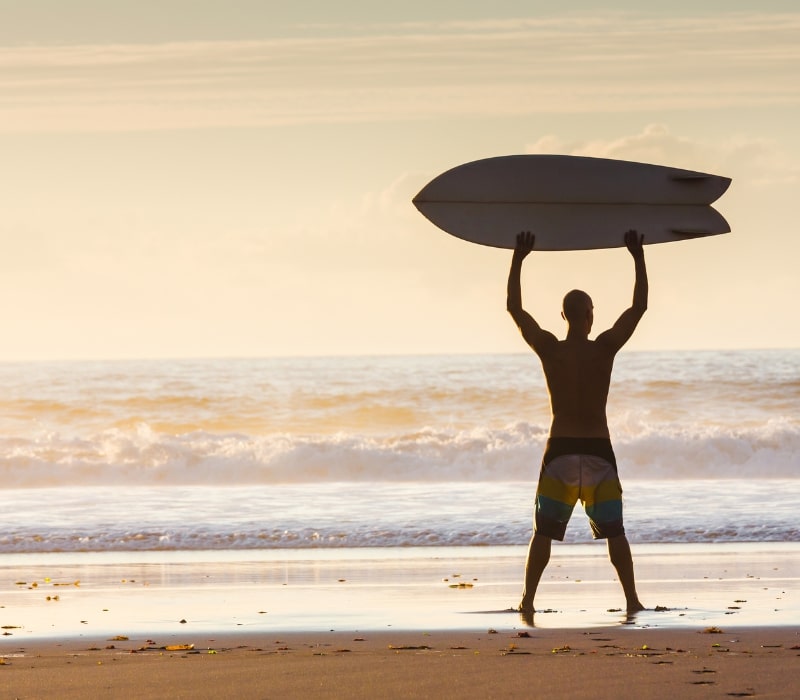
Reef awareness, channel entry, exits
Parts of the south coast have reef patches mixed with sand. We show you the safe path out and back. Lift your chest in shallow water, keep knees soft, and never jump feet-first off the board if you’re unsure of depth. If you need to exit, follow the channel or paddle to the inside, then walk in where the bottom is sandy.
Rip currents, flags, lifeguard beaches
Rips are the sea’s moving escalators. Used right, a channel can carry you out with less effort. Used wrong, it takes you where you don’t want to be. We point out rips before you enter and explain how to deal with one: stay calm, float, signal for help, and move across the flow, not straight against it. Swim and body-surf between red and yellow flags where lifeguards are present, and follow local advice.
Sun and hydration, heat management, rest windows
Tropical sun is no joke. Wear a rash vest, top up reef-safe sunscreen, and sip water between sets. We build shade and rest into the session. Short breaks keep energy up and help you process what you’ve learned.
Insurance and medical disclosure
Tell us about asthma, diabetes, recent injuries, or anything that might affect you in the water. Travel insurance that covers water sports is a smart choice. Bring any inhalers or meds to the beach and let your coach know where they are.
Surf etiquette for learners
Etiquette keeps everyone safe and happy. The surfer closest to the breaking part of the wave has priority. Don’t take off in front of someone already riding. When paddling out, aim for the channel and avoid the path of a surfer on the wave. If a board gets away from you, shield your head with your arms. Give others space, queue fairly, and share a few smiles. You’re a guest in the line-up, so respect locals and fellow learners. A friendly hello goes a long way.
What to bring and wear
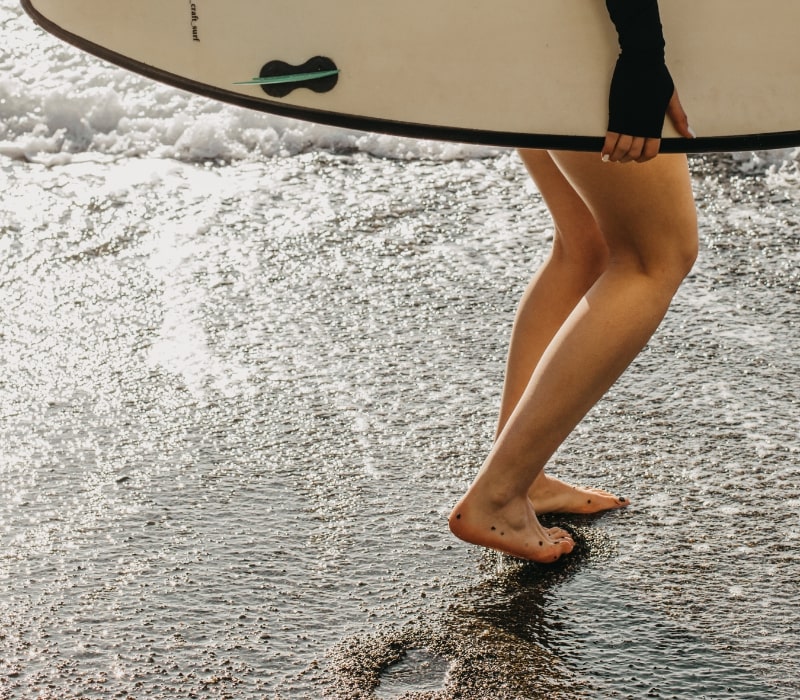
Travel light. Wear swimwear you can move in. A rash vest or surf shirt stops rub and sun. Reef-safe sunscreen, a hat for the beach, and a reusable water bottle are handy. Booties are optional; we’ll advise based on the spot and the day. Leave jewellery and valuables at your hotel. No need to fly a board out here. We provide beginner-friendly soft-tops, bigger learner boards, and leashes. If you fall in love with a shape, we can rent you a surfboard in the same style for extra practice.
Book with Ride The Tide
We run private lessons, small group sessions, and family packages. That's why we're the number 1 surf school in Barbados. New to surfing or coming back after a break, we match coaching to your pace. Progression packs give you a simple path from lesson one to independent rental. Booking is quick online, and our team will confirm the best time for the day’s tide and wind. You show up. We handle boards, safety, and a plan that builds confidence one wave at a time.
Conclusion: beginner’s guide to surfing Barbados
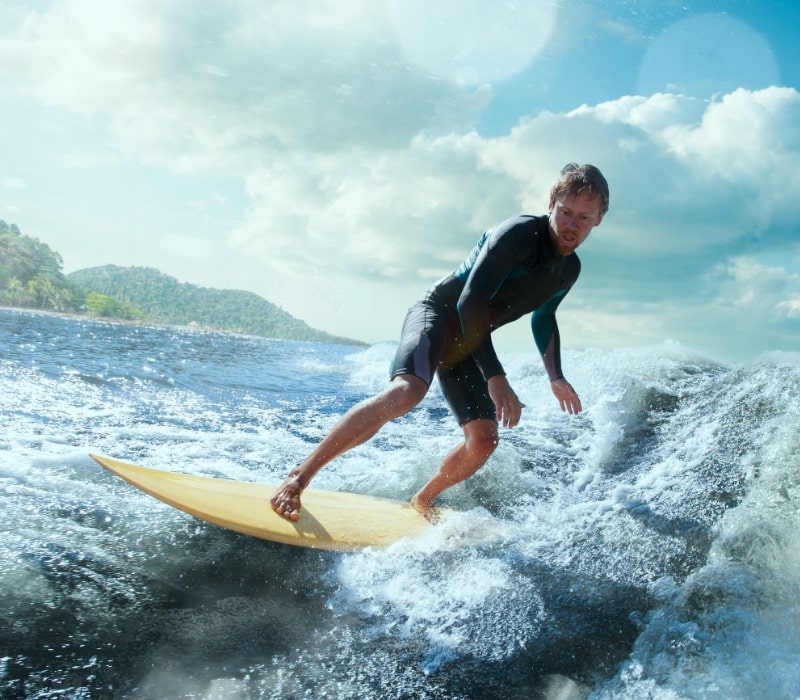
You want clear coaching, warm water, and a spot that forgives mistakes. That’s exactly what you’ll get with us on the south coast. Start with one focused session, learn the core skills, and build from there. Book today and make your first waves in Barbados count.
FAQ
How long is a beginner lesson?
About 90 minutes on the day. Plan two hours with check-in and a short briefing.
Can I wear glasses or contacts?
Contacts are fine. If you need glasses, bring a strap or consider going without for the session.
What if I can’t swim well?
Basic water confidence is needed. Tell us your level and we’ll choose safe depths and extra support.
Is surfing safe for kids?
Yes with the right spot, the right board, and close coaching. We offer family sessions and set clear boundaries in the water.
